

The incredible, unbelievable value of having a friend living with diabetes.
Guest article by Christel Oerum. Have you ever imagined having a best friend who also lives with diabetes? How wonderful it would be to meet the perfect "diabuddy" who truly understands what it means to live with diabetes and relates to what you deal with every day. They wouldn't have to guess at what you're thinking—they'd know because it's their life too. You are not alone. There are so many of us living with diabetes around the world. If you're open to it and willing to share your experience with others, the chance of meeting another person living with...
Read More
Discussing Diabetes With Your Child
You just got your diagnosis? Or is your child growing up and starting to ask questions? In either case, you’ll eventually have to broach the topic with them. Here are a few tips to guide the discussion: Test the waters. Once the news is out, ask your child what they know about diabetes. Listen carefully, then set the record straight, correcting misconceptions if necessary (e.g., people living with diabetes are contagious or can’t eat sugar). Be concise. Briefly explain what diabetes is, how your...
Read More
Switching from oral therapy to insulin
Has your healthcare provider talked to you about insulin? For many people, this can bring on mixed feelings and questions. There is a lot of information around type 2 diabetes and insulin available. However, trying to sort through it all might be overwhelming. There are a lot of feelings, opinions, and even myths around insulin. We’ve put together some key facts around type 2 diabetes and insulin. This will help you start to separate fact from fiction. The more you learn about insulin, the easier it will be to transition to it from orals. Some facts about insulin...
Read More
Bad Day And Diabetes Mental Health
Everyone living with diabetes has good and bad days. Some days you have in-range blood sugar levels and others just don’t work out right. Diabetes burnout and diabetes distress are very real feelings. You might be feeling like you have been trying very hard but not seeing the results you like. Or you might feel a little overwhelmed and not sure how to cope with diabetes care and mental health1. When a bad diabetes day seems to be taking over, here’s how to turn it around. Diabetes mental health and attitude ...
Read More
The Benefits of Staying Active
Physical activity is good for everyone, but for people living with diabetes, it can make a big difference in keeping your blood sugar level managed. Not only that, but staying active allows your cells to process insulin more efficiently, improving your overall A1c levels. The many benefits to staying active Physical activity is one of the cornerstones of managing your diabetes, because the list of benefits for people living with diabetes is long. Physical activity can1: Improve...
Read More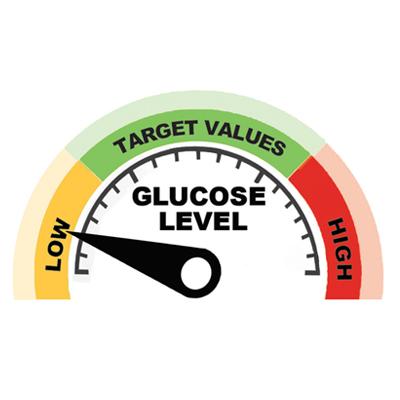
What you need to know about Hypoglycemia
Understanding blood sugar levels and how it affects your body is very important. Regular checking of your blood sugar and knowing the signs of blood sugar that is too high or low can help you take action quickly. The goal is to help keep you safe and ensure your glucose levels are in range. In this article, we'll look at what hypoglycemia is and its symptoms. Hypoglycemia occurs when your blood glucose drops too low. The body responds to low blood glucose with warning signs that may be different from one person to another. Some warnings...
Read More
How do I track blood glucose levels easily?
A simple tool to understand your blood glucose results The Accu-Chek® Testing in Pairs Tool - a simple, 7-day paper tool 7 days to help you track your blood glucose levels Accu-Chek Testing in Pairs is a simple tool that helps you track your blood glucose. Use it before and after a specific meal. Use it around physical activity. Or, use it for other events to understand how your blood glucose levels change across different activities....
Read More
What are carbohydrate exchanges in diabetes?
The truth about carbohydrates and diabetes MYTH: If you live with diabetes, you can't eat sweets or sugar. TRUTH: A food do not have to be sweet or sugary to raise your blood sugar. Understanding carbohydrates and carbohydrate counting exchanges is important in diabetes. We want to separate the myth from the truth. Carbohydrate counting exchanges can sound intimidating. But, they are essential for good meal planning. In this article, we’ll look at the...
Read More
What is A1c?
Your A1c number Consider your A1c number (also known as "HbA1c" or "glycated hemoglobin") as a snapshot of your blood glucose levels over two to three months. Over time, glucose naturally attaches itself to your red blood cells. When this happens, the cell is considered "glycated". The more glucose in your blood, the more glycated A1c you have in your cells. What’s an optimal A1c number? The recommended A1c target for a person living with diabetes is 7% or lower—some people...
Read MorePages
Discussing Diabetes With Your Child
You just got your diagnosis? Or is your child growing up and starting to ask questions? In either case, you’ll eventually have to broach the topic with them. Here are a few tips to guide the discussion: Test the waters. Once the news is out, ask your child what they know about diabetes. Listen carefully, then set the record straight, correcting misconceptions if necessary (e.g., people living with diabetes are contagious or can’t eat sugar). Be concise. Briefly explain what diabetes is, how your...
Read More Switching from oral therapy to insulin
Has your healthcare provider talked to you about insulin? For many people, this can bring on mixed feelings and questions. There is a lot of information around type 2 diabetes and insulin available. However, trying to sort through it all might be overwhelming. There are a lot of feelings, opinions, and even myths around insulin. We’ve put together some key facts around type 2 diabetes and insulin. This will help you start to separate fact from fiction. The more you learn about insulin, the easier it will be to transition to it from orals. Some facts about insulin...
Read More Bad Day And Diabetes Mental Health
Everyone living with diabetes has good and bad days. Some days you have in-range blood sugar levels and others just don’t work out right. Diabetes burnout and diabetes distress are very real feelings. You might be feeling like you have been trying very hard but not seeing the results you like. Or you might feel a little overwhelmed and not sure how to cope with diabetes care and mental health1. When a bad diabetes day seems to be taking over, here’s how to turn it around. Diabetes mental health and attitude ...
Read More The Benefits of Staying Active
Physical activity is good for everyone, but for people living with diabetes, it can make a big difference in keeping your blood sugar level managed. Not only that, but staying active allows your cells to process insulin more efficiently, improving your overall A1c levels. The many benefits to staying active Physical activity is one of the cornerstones of managing your diabetes, because the list of benefits for people living with diabetes is long. Physical activity can1: Improve...
Read More What you need to know about Hypoglycemia
Understanding blood sugar levels and how it affects your body is very important. Regular checking of your blood sugar and knowing the signs of blood sugar that is too high or low can help you take action quickly. The goal is to help keep you safe and ensure your glucose levels are in range. In this article, we'll look at what hypoglycemia is and its symptoms. Hypoglycemia occurs when your blood glucose drops too low. The body responds to low blood glucose with warning signs that may be different from one person to another. Some warnings...
Read More How do I track blood glucose levels easily?
A simple tool to understand your blood glucose results The Accu-Chek® Testing in Pairs Tool - a simple, 7-day paper tool 7 days to help you track your blood glucose levels Accu-Chek Testing in Pairs is a simple tool that helps you track your blood glucose. Use it before and after a specific meal. Use it around physical activity. Or, use it for other events to understand how your blood glucose levels change across different activities....
Read More What are carbohydrate exchanges in diabetes?
The truth about carbohydrates and diabetes MYTH: If you live with diabetes, you can't eat sweets or sugar. TRUTH: A food do not have to be sweet or sugary to raise your blood sugar. Understanding carbohydrates and carbohydrate counting exchanges is important in diabetes. We want to separate the myth from the truth. Carbohydrate counting exchanges can sound intimidating. But, they are essential for good meal planning. In this article, we’ll look at the...
Read More What is A1c?
Your A1c number Consider your A1c number (also known as "HbA1c" or "glycated hemoglobin") as a snapshot of your blood glucose levels over two to three months. Over time, glucose naturally attaches itself to your red blood cells. When this happens, the cell is considered "glycated". The more glucose in your blood, the more glycated A1c you have in your cells. What’s an optimal A1c number? The recommended A1c target for a person living with diabetes is 7% or lower—some people...
Read More